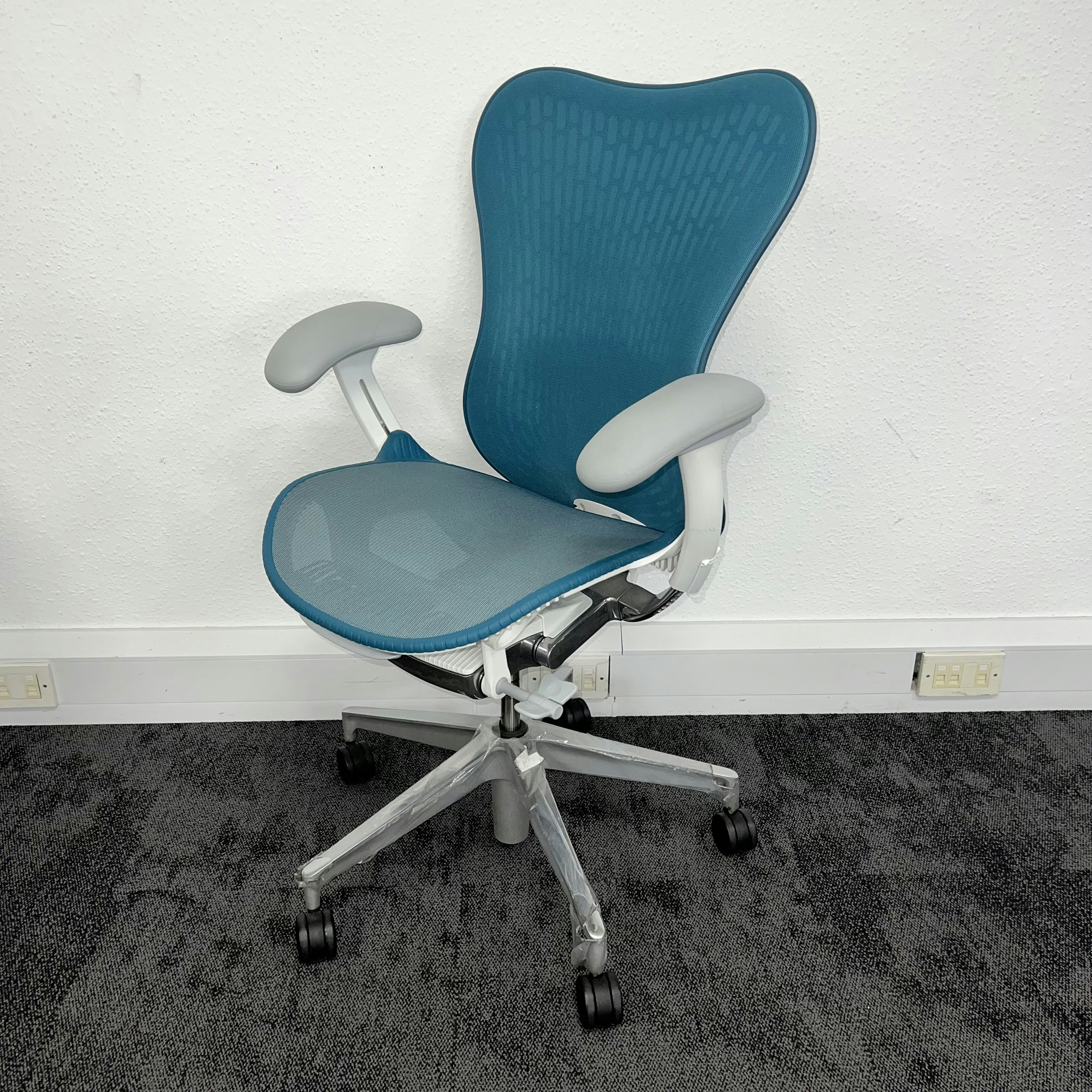
Choosing an office chair often means weighing mesh against leather, but neither material is automatically the better option. The right fit depends on how a chair feels during long work sessions, the conditions in the room, and the preferences of the person using it. Mesh chairs generally have a woven synthetic fabric stretched across a supporting frame. The open weave gives the seat or backrest a distinctive flexible structure, with little or no thick upholstery in those areas. Leather chairs typically pair a padded seat and backrest with an outer layer of genuine leather or a leather-like material, such as polyurethane. That combination creates a more upholstered appearance and feel.
These construction differences influence several practical factors. Comfort can vary with cushioning, firmness, body shape, and how many hours a person sits each day. Breathability is another consideration: mesh allows more airflow through its open weave, while a covered, padded surface may retain more warmth. Support depends not only on the upholstery but also on the chair’s frame, lumbar design, seat dimensions, and ability to adjust. Buyers may also compare maintenance needs, expected durability, purchase price, and appearance. For example, some people prefer the tailored look of leather in a formal office, while others value the lighter, more contemporary style associated with mesh.
Material alone does not determine how well a chair will perform. A carefully designed leather chair with adjustable lumbar support may suit a user better than a basic mesh model, and a well-fitted mesh chair may offer more useful adjustments than a heavily padded alternative. Seat height, tilt, armrest position, back support, and the quality of the mechanism all affect daily comfort. Intended use matters, too: a chair used occasionally may have different requirements from one occupied throughout the workday. The comparison that follows considers comfort, breathability, support, maintenance, durability, price, and appearance, while keeping overall construction and adjustability in view. Testing a chair, when possible, can help reveal whether its shape and settings suit the user’s needs.
A chair’s material shapes how it feels over a full workday, but personal preference and room conditions matter. Mesh upholstery has an open weave that permits air to circulate around the back and seat. This can be advantageous in warm offices, for people who tend to overheat, or during long periods of sitting. The amount of support depends partly on the mesh tension and weave: a well-designed surface can feel resilient and supportive, while tighter or firmer mesh may feel less forgiving. Trying different mesh chairs can help determine whether the surface suits your preferred level of cushioning.
Leather and leather-like upholstery generally provide a smooth, cushioned contact surface. People who prefer a more padded seat or a traditional, substantial feel may find this material comfortable for everyday use. The surface can also be easy to wipe clean, although care needs vary by upholstery type. In hot conditions, leather may retain warmth and feel sticky against skin, especially during extended sitting. Room temperature, clothing, and the chair’s padding all influence that experience. Neither material is automatically more comfortable: the right choice depends on how you respond to heat, pressure, and surface texture.
Material comfort should be considered separately from ergonomic performance. Look for adjustable seat height so your feet can rest flat and your knees remain comfortably positioned; seat depth adjustment can help support the thighs without pressing behind the knees. Lumbar support should fit the curve of your lower back, while a backrest that reclines or adjusts its angle can support changes in posture. Adjustable armrests can help keep the shoulders relaxed. These features matter in both mesh and leather chairs, and a well-fitted model in either material may serve better than one chosen by appearance alone. When possible, sit in a chair before buying it, adjust its settings, and assess how it feels after several minutes.
A chair’s long-term performance depends on more than whether its upholstery is mesh or leather. Well-made mesh can retain its shape for years, particularly when the seat is properly supported and the fabric has suitable tension. However, repeated pressure may cause sagging, and sharp objects can snag the weave. Damage is not always simple to repair, since matching and replacing a stretched panel can be difficult. Leather’s service life varies with its grade, surface finish, care, and daily use. Full-grain or higher-grade upholstery may age differently from coated or bonded products; less durable alternatives can peel or crack over time, especially under heavy use.
Cleaning needs also differ. Mesh allows airflow, but its open structure can collect dust, crumbs, and pet hair in areas that are awkward to reach. Routine vacuuming with a soft attachment helps, while spills may penetrate the weave and prove harder to remove. Leather and many leather-like finishes are generally easy to wipe clean, although cleaners should suit the particular material. Depending on the finish, genuine leather may benefit from occasional conditioning and protective products. Keeping it away from prolonged sunlight, radiators, and other heat sources can reduce drying, fading, or surface damage. Follow the manufacturer’s care guidance to avoid harming coatings or finishes.
Prices vary widely: chairs in either category range from budget models to premium designs, and upholstery alone does not establish quality. Compare the complete chair, including frame construction, adjustment mechanisms, cushion quality, and warranty coverage. Check whether replacement parts, such as casters, armrests, cushions, or mesh panels, are available and reasonably priced. A longer warranty can signal manufacturer confidence, though its exclusions matter. For long-term value, balance purchase price against expected service life, upkeep, comfort, and the likelihood of repair rather than replacement. Consider your cleaning habits and work environment before deciding which material fits.
Choosing between mesh and leather depends less on which material is universally better and more on how you work, where you sit, and what you expect from a chair. Mesh is often the practical choice for people who spend long hours seated and value airflow. Its open construction can help reduce heat and moisture, making it especially comfortable in warm climates, rooms without reliable air conditioning, or home offices that run hot. Mesh chairs also tend to look lighter and more contemporary, which may suit compact spaces or minimalist décor.
Leather may be a better fit if you prefer a plush, polished appearance or want a surface that can be wiped clean quickly. This can be useful in a shared workspace or a household with children, where spills and marks are a concern. However, leather may feel warm during extended sessions, particularly in a heated room or a hot climate, and it needs appropriate care to maintain its appearance. Pets are another consideration: claws can scratch some finishes, while fur may be easier to remove from a smooth surface than from certain fabric or mesh designs. Compare the cost of each chair with your budget, including any expected maintenance.
Your workplace dress code and personal style may also influence the decision. A leather chair can complement a more formal office, while mesh often creates a relaxed, modern impression. Neither appearance guarantees comfort, however. The best option is the chair that fits your body, supports healthy posture, and works with your daily routine. If possible, sit in both types before buying and test the seat depth, lumbar support, armrests, recline, and height adjustments. Consider how the chair feels after more than a few minutes, not just how it looks. A well-adjusted model in the material you prefer is more likely to serve you comfortably throughout the workday.