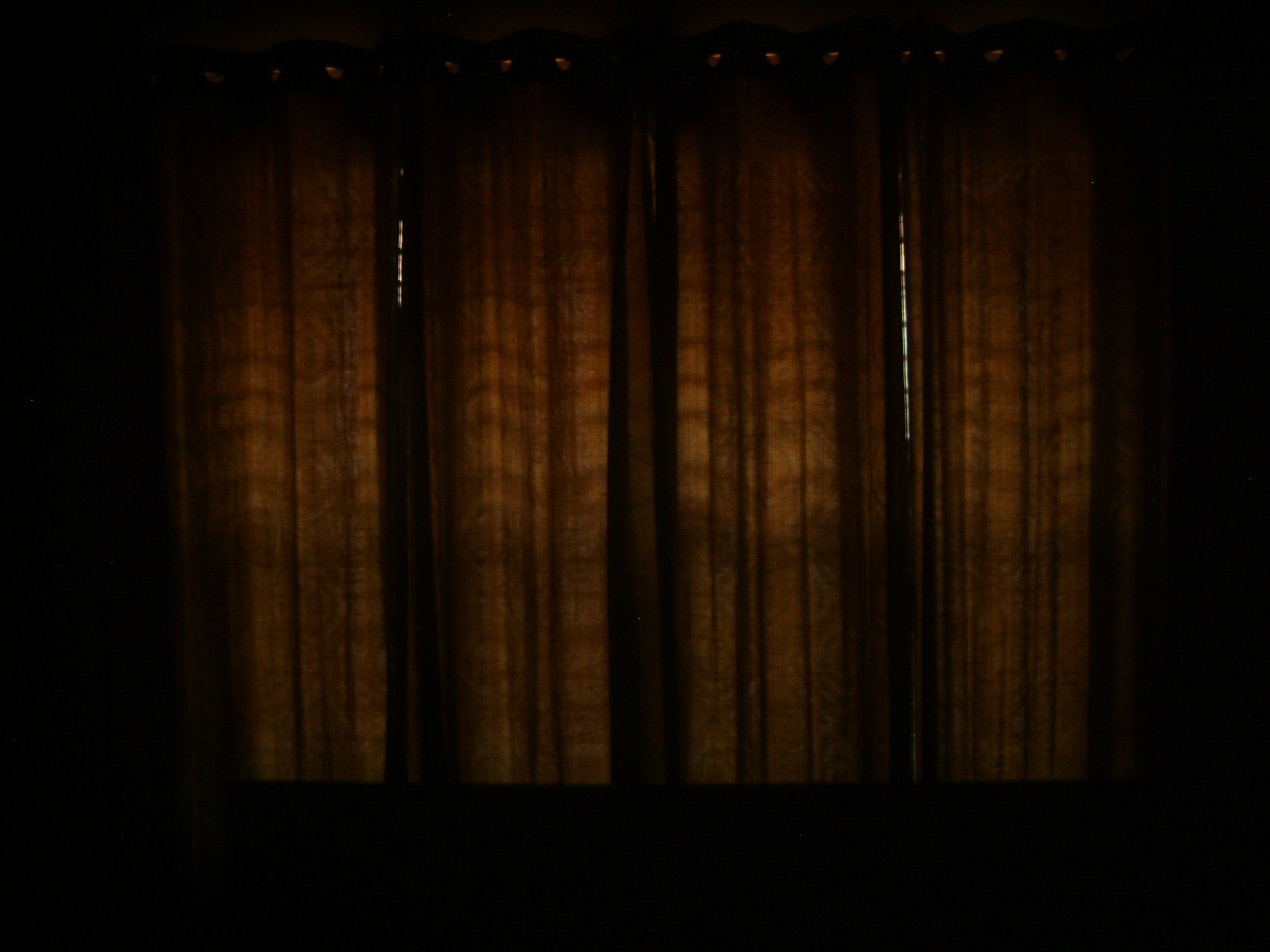
Blackout curtains are made to block most incoming light, helping create a darker indoor environment for sleep, screen use, or other activities that benefit from reduced brightness. Many designs use densely woven fabric, an opaque backing, or a light-blocking coating to limit the amount of daylight and artificial light passing through the panels. They can be especially useful in bedrooms, nurseries, media rooms, and spaces where streetlights or early sunrise interfere with comfort or concentration.
However, the label does not guarantee identical results across every product. Light control depends on the fabric, the number of layers, the quality of the backing, and the way the curtains are constructed. Installation matters as well: panels that are too narrow or short may leave exposed areas around the window. Blackout curtains are generally intended to block more light than room-darkening curtains. Room-darkening fabrics reduce brightness, but typically allow a greater amount of light through, making them suitable when some daylight is welcome.
Even highly opaque curtains may not produce complete darkness. Light can enter through gaps at the sides, above the rod, between curtain panels, or beneath the hem. A curtain mounted close to the window and extending beyond its frame may reduce these leaks, while a wraparound rod or layered window treatment can provide additional coverage. The practical result is therefore shaped by both the product and the window setup, rather than fabric opacity alone.
The best choice depends on the room’s purpose, the window’s size and placement, and how sensitive the occupant is to residual light. Someone who needs a very dark bedroom may prefer substantial, wide panels and carefully planned installation. In a home office, moderate light reduction may be enough to limit glare without making the room feel dim. Consider where light enters, how much darkness is desired, and whether convenient operation or room appearance is also important. Comparing construction details and checking panel dimensions can help set realistic expectations before purchase.
In a bedroom, the primary purpose of curtains is often to create conditions that support restful sleep. Blackout or closely woven, light-blocking panels can reduce street lighting, dawn brightness, and glare from nearby buildings, helping the room stay darker for longer. This can be especially useful for shift workers who sleep during daylight hours, as well as people who are sensitive to small amounts of light. Consider privacy and comfort alongside darkness: lined curtains can soften the room, provide a sense of seclusion, and help limit drafts near windows. The amount of light control needed depends on the sleeper’s schedule, window direction, and tolerance for brightness.
A home office has different priorities. Strong sunlight can make monitors difficult to read, create reflections, and cause uneven lighting during video calls. Curtains that can be adjusted throughout the day help manage glare while maintaining a pleasant workspace. Full blackout coverage may be useful for presentations or rooms with intense direct sun, but keeping some daylight available can make the office feel more inviting and support everyday tasks. Fabric color, texture, and the way panels open also affect how easily the room transitions between focused work, meetings, and breaks. A practical choice balances screen comfort with a usable level of natural light.
Some rooms need to function as both a bedroom and an office, or may be used for different purposes at different times. In these spaces, maximum darkness is not always the most convenient year-round solution. Layering curtains with adjustable blinds allows occupants to block light for sleep or presentations, then admit daylight for daytime work. Alternatively, layered panels can combine a heavier blackout curtain with a lighter sheer layer, offering several levels of privacy and brightness. Before choosing, consider when the room is used, where sunlight enters, and how quickly its lighting needs to change. A flexible window treatment can serve both functions without forcing a compromise between comfortable sleep and an effective workspace.
Blackout curtains are made using several construction methods, and the approach can affect both light control and the way a panel looks in a room. Some use dense, multi-layer fabric, with tightly woven face and backing layers designed to limit light passing through the cloth. Others pair a decorative fabric with a separate blackout lining attached to its reverse. A third option uses a foam- or acrylic-backed panel, where a coating or backing helps block light. These designs can perform differently, so the product description and construction details are more informative than the label alone.
Fabric weight and lining coverage are important considerations. Heavier, denser cloth generally allows less light through the fabric itself and can create a substantial, full appearance with pronounced folds. A lighter decorative fabric may still block light effectively if its lining provides sufficient coverage. Check whether the lining extends across the entire panel and whether the edges, top, and seams leave openings where light can pass. Even an opaque center panel may not make a window completely dark if light enters around its sides or through gaps between curtain panels.
Construction also influences drape, maintenance, and installation. A separate lining may add body and improve opacity, while a removable lining can be easier to clean or replace; sewn-in linings may create a more integrated finish. Review care instructions and determine whether the lining is attached, detachable, or absent. Heavier panels can provide additional insulation and a sense of warmth, but their weight may require sturdier rods, brackets, and suitable wall anchors. Before buying, examine close-up product images, fabric specifications, lining coverage, and customer details where available. Evaluating these features together helps clarify how well a curtain is likely to manage daylight while matching the room’s appearance and practical needs.
A curtain’s visible color is not a reliable guide to how much daylight it will block. Pale fabric can provide strong light control when it has a dense weave, an effective backing, and a construction designed to limit gaps. Conversely, a dark panel may allow light through if its material is thin or loosely woven. When comparing options, look beyond the surface appearance and check the product’s stated light-blocking performance. The lining, number of fabric layers, edge design, and fit around the window all contribute to the result. A well-chosen curtain can support a darker bedroom for sleep or reduce glare in a workspace without requiring a particular color.
Color and texture still matter because curtains occupy a prominent area of a room. In a bedroom, soft neutrals, muted blues, or deeper tones can coordinate with bedding and create a restful atmosphere. For an office, restrained colors and understated textures can provide a calm, professional backdrop for video calls and focused work. Solid panels are versatile and easy to pair with other patterns, while subtle prints add visual interest without making a small room feel busy. Linen-look fabrics offer a relaxed, natural appearance, although their light-blocking ability depends on their backing and construction rather than the texture alone.
Consider how the curtains will appear from both sides of the window. Some linings create a different color or finish on the exterior, which may be visible from the street or affect the appearance of a shared building facade. If a consistent exterior look matters, check whether the product has a coordinated backing or a neutral street-facing side. Tailored designs, such as neatly pleated panels or clean, straight-hanging styles, can complement both traditional and contemporary interiors. Before buying, verify the listed light-control specification, review fabric samples in the room’s natural and artificial lighting, and confirm measurements that allow the panels to cover the window edges. These checks help balance appearance and practical performance.
Accurate measurements are the foundation of effective blackout curtains. Begin by measuring the window frame’s width from one outer edge to the other, and record the height from the top of the frame to the point where you want the curtain hem to fall. Measure in more than one place if the frame is uneven, using the widest width and the height that best reflects the full area you want to cover. These starting figures help you plan coverage, but they are not necessarily the final curtain dimensions.
Next, decide where the rod or track will sit and how far it will extend beyond each side of the frame. Extending it several inches past the window allows the curtains to overlap the edges when closed, reducing side light gaps. A wider rod also gives the panels room to stack at the sides when open, so they cover less glass. Consider nearby walls, trim, switches, and furniture before choosing the extension; a panel that stacks behind a cabinet or cannot draw freely may be less practical. For coverage above the frame, mount the rod higher than the window if the space allows. This helps limit light entering through the top and can make the window appear taller.
Choose panels wide enough to provide fullness across the opening rather than stretching them flat. Product listings do not use one measurement convention: some give the width of each individual panel, while others state the combined width of a pair. Check the specifications carefully, and compare the total curtain width with the rod span, allowing extra fabric for folds and overlap. Also confirm whether the listed height includes the heading or hanging hardware, and account for your chosen rod position. A hem that falls close to the floor can reduce light entering beneath the curtain; avoid excessive pooling if it could collect dust or create a tripping hazard. Taking these details into account helps you select curtains that fit the room, move comfortably, and cover the window more completely.
Even well-lined blackout curtains can leave a bright edge if the hardware holds them too far from the window. Rod placement and bracket design determine how closely the fabric meets the wall and how much light can pass around the sides and top. Measure the window and surrounding space before choosing a system, and consider where the curtain will sit when closed as well as how it will stack when open.
A wrapping or return rod curves toward the wall at each end, allowing curtain panels to extend beyond the window and reducing light leaks at the sides. A wider rod can achieve a similar effect by letting the panels overlap the frame more fully. Brackets designed to position the rod close to the wall can narrow gaps behind the fabric. For the top edge, a ceiling-mounted track can keep curtains close to the ceiling and cover the area above the window; some tracks also support a snug, continuous run across a wide opening.
Hardware must also safely support the curtain’s weight. Blackout panels with dense linings can be substantially heavier than unlined curtains, so select a sturdy rod with an appropriate load rating and use anchors suited to the wall material. Secure brackets into studs where possible; for masonry or hollow walls, use the correct fasteners rather than relying on basic screws. A sagging or poorly fixed rod can create gaps and may eventually pull away from the wall.
There are practical trade-offs. Return rods and close-fitting tracks can limit light more effectively, but their appearance may be less decorative than a standard finial-ended rod. Ceiling tracks and specialized brackets can also require more measuring, drilling, or installation effort. Choose a system that balances light control, appearance, budget, and the structure of the room. For especially bright windows, pairing suitable hardware with wider panels can improve coverage without requiring a fully sealed enclosure.
Blackout curtains can make a bedroom substantially darker, helping limit early-morning sunlight and street lighting. However, that level of light control may not suit every part of the day. Consider how quickly the panels can be opened: a smooth track, accessible pull cord, or motorized system can make it easy to let in daylight after waking. For a flexible arrangement, pair blackout panels with sheer curtains. Sheers soften incoming light and provide daytime privacy while allowing the room to feel bright and connected to the outdoors. This layered approach also lets occupants adapt the room without repeatedly adjusting heavy curtains.
In a home office, reducing glare on screens can improve visual comfort, particularly when sunlight falls directly across a desk. Fully closing blackout curtains may solve the glare problem but leave the workspace dim or less welcoming. Instead, consider the direction and intensity of daylight at different times, and choose panels that can be adjusted in sections or combined with a light-filtering layer. Sheer curtains can diffuse strong sunlight while preserving some natural brightness; blackout panels can then be drawn when glare becomes difficult to manage. The aim is practical control, not keeping the room dark throughout the workday.
Privacy needs also vary with room use and window position. Bedrooms may benefit from opaque coverage at night, while living or work spaces may need only a screen against nearby buildings during daylight. Layered window treatments offer options for balancing visibility, brightness, and a comfortable atmosphere as conditions change. Check that curtain width and length provide adequate coverage, and consider how the fabric and hardware suit the room’s style. Some blackout products may also reduce heat transfer or outside noise, but results depend on construction, installation, window gaps, and other conditions. Treat thermal or sound improvement as a possible extra rather than a guaranteed feature, and prioritize reliable light control and convenient everyday use.
Before choosing blackout curtains, review the care label and product information rather than assuming every panel can go in a washing machine. Some fabrics are machine washable, while others call for spot cleaning or professional care. Washing instructions may specify cold water, a gentle cycle, or air drying, and ignoring them can damage the fabric or its blackout coating. Ask whether the lining needs separate treatment, since a layered panel may require more careful handling than an unlined one. These requirements matter particularly for large curtains, which can be difficult to wash at home, and heavily lined designs, which may be bulky or prone to uneven drying.
Check for shrinkage warnings and colorfastness guidance, especially if panels will hang near sunlight or need frequent cleaning. Read customer feedback for reports of fading, fraying seams, lining separation, or changes in fit after washing. Examine seam construction and the way the lining is attached; reinforced stitching can help panels withstand repeated use and opening and closing. Confirm that the supplied hooks, grommets, tabs, or rod pocket suit your existing hardware. If you use a track, verify that the curtain can attach to it properly, and check whether rods, brackets, or other mounting parts are included or sold separately.
Compare the listed dimensions with your window and installation plan, allowing for the desired overlap and floor clearance. A product’s opacity description is useful, but it does not guarantee a completely dark room: light can escape at the edges or through gaps between panels. Look for customer comments about actual light leakage, and check return terms in case the coverage or color differs from expectations. If fabric samples are available, they can help you assess color, texture, and thickness before ordering. Finally, compare the full project cost, not just the price per panel. Include rods, tracks, brackets, installation pieces, and any extra panels needed for adequate width. Care demands, construction, and complete setup costs together provide a more reliable basis for judging long-term value.
Begin by identifying the room’s primary need. In a bedroom, the goal may be reducing early-morning light or helping a light-sensitive sleeper rest; in a home office, it may be limiting glare on screens during certain hours. Next, decide how dark the room needs to become. Some spaces benefit from near-total darkness, while others need only enough coverage to soften direct sunlight. This distinction helps you choose an appropriate curtain rather than paying for features you may not use.
Measure the window carefully, then decide how far the curtains should extend beyond its frame. Wider and higher coverage can reduce gaps around the edges, while the panel length should suit the room and avoid obstructing furniture or heating equipment. Consider fabric weight, lining, color, and overall style together. Dense, lined panels are often useful when darkness is a priority; lighter or more decorative options may suit rooms where appearance and flexible light control matter just as much.
Check the hardware as well as the fabric. A wraparound rod, close-fitting track, or other suitable mounting system can help limit light entering at the sides and top. Confirm that the chosen hardware can support the curtains’ weight and fits the wall or window area. Before buying, review care instructions, installation requirements, and whether the panels need hemming or additional accessories. These practical details affect the total cost and how easy the curtains will be to use day to day.
For a light-sensitive bedroom, dense lined panels paired with close-fitting hardware may be the most useful combination. A screen-heavy office may benefit from adjustable blackout curtains layered with sheers, allowing glare reduction without keeping the room dark all day. Compare options against your measurements, routine, and budget, not just advertised darkness ratings. The best choice is the one that fits the room, window, daily habits, and realistic spending limit. A considered match is more likely to provide comfortable light control and remain practical over time than a product selected solely for its strongest marketing claim.