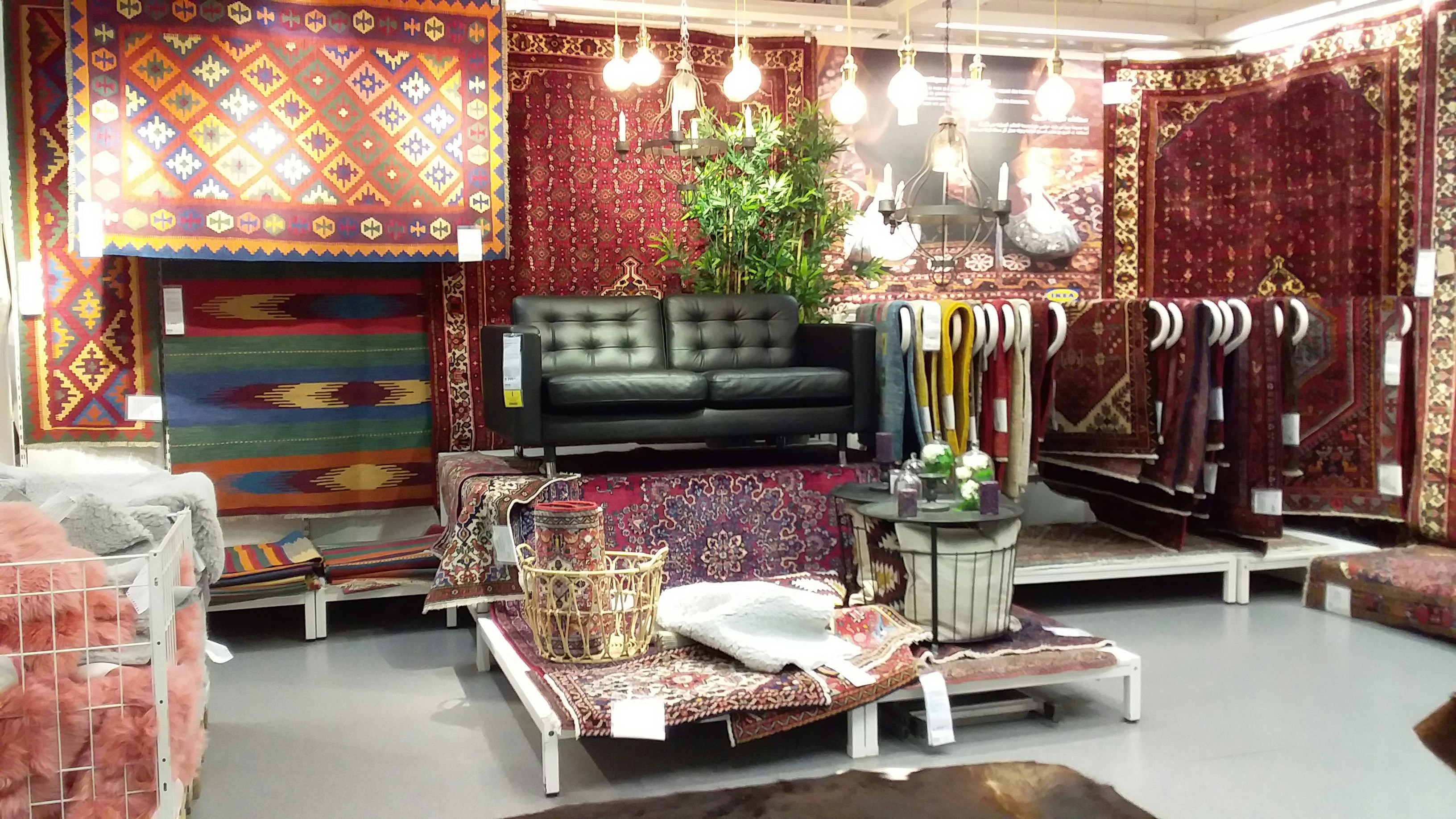
An area rug should be selected for how it works with a room, not simply for how it looks in a product photograph. Its dimensions influence the room’s proportions, define a seating or dining area, and affect how furniture relates to one another. A rug that is too small can make furnishings seem disconnected, while an oversized one may leave little visible flooring or interfere with doors. Begin by measuring the room’s length and width, then consider the usable floor area rather than assuming every corner should be covered.
Next, note the position and swing of each doorway, along with the routes people use to cross the space. A rug should not catch under a door or create an awkward edge in a busy walkway. Map out the furniture arrangement you intend to keep, including sofas, chairs, tables, and beds. Decide whether furniture will sit entirely on the rug, have only its front legs on it, or remain separate. These choices affect the dimensions needed, so sketching the layout or marking key furniture edges can help translate a room plan into a practical rug size before shopping.
Plan for a visible border of flooring around the rug to preserve balance and make the room feel comfortably framed. There is no universal margin: a compact room, an open-plan layout, and a personal preference for more or less exposed floor may call for different spacing. To test options, use painter’s tape to outline possible rug edges directly on the floor. A paper outline can also help, especially when comparing several sizes; check that the proposed shape leaves doors and traffic paths clear and aligns appropriately with the furniture. Live with the outline briefly if possible, viewing it from different parts of the room. Finally, confirm the rug’s actual listed measurements before ordering. Standard size labels are convenient guides, but dimensions can vary slightly by manufacturer or style, and even a small difference may affect the fit.
In a living room, the rug should relate to the full seating arrangement rather than appear as an isolated accent. A larger rug often makes the area feel more unified by visually connecting the sofa, chairs, and coffee table. The most cohesive layout places all major seating pieces entirely on the rug, provided its dimensions leave a comfortable border of visible flooring around the group. This arrangement works especially well when the room is spacious and the furniture forms a clear conversation area. Before buying, measure the complete seating footprint, including the distance between chairs and the sofa, so the rug supports the arrangement instead of simply matching one item.
If a rug large enough for every piece is impractical, place the front legs of the sofa and chairs on it. This approach still links the furniture visually while allowing the rear legs to remain on the floor. Keep the rug far enough beneath each piece that the seating does not seem perched at its edge. A smaller rug positioned only beneath the coffee table can look disconnected when it has little visual relationship to the sofa or chairs. It may suit a compact room or a deliberately layered design, but assess its proportions against the seating group: the rug should not look like a small island amid much larger furniture. Compare its width with the sofa and consider whether it anchors the table without leaving the surrounding seats stranded.
In an open-plan room, a rug can define a conversation zone within a larger shared space. Choose dimensions that contain the seating arrangement, but preserve clear routes between the living area, dining space, and doorways. Walkways should not be pinched by rug edges or furniture placed awkwardly at their boundaries. Align the rug with the seating group, not necessarily with every wall in the room; a defined zone can sit comfortably within an open floor plan. Keep relationships between the sofa, chairs, and table intentional, and check that rug edges meet furniture consistently. When planning the layout, mark the proposed dimensions on the floor with painter’s tape and walk around the outline. This makes it easier to judge scale, circulation, and whether the rug anchors the arrangement before committing to a purchase.
In a bedroom, rug placement should balance comfort with the bed’s scale. A large area rug can sit beneath the bed and extend beyond both sides and the foot, creating a soft landing zone. Leave enough exposed rug on each side for comfortable footing when getting up. Alternatively, place a rug beneath only the lower portion of the bed, a practical option for smaller rooms. Runners along one or both sides are another choice when a full-size rug would crowd the layout. Choose dimensions that provide comfortable landing space without obstructing bedside tables, doors, or drawers.
In a dining room, the rug should be large enough for chairs to remain fully on its surface when pulled back from the table. Extend it beyond every edge of the tabletop, allowing chair legs to move without catching on the border. Measure the table with chairs pulled out, then add a suitable margin on all sides. Account for the table’s shape and the number of seats: a round table may pair well with a round rug, while rectangular tables often suit rectangular designs. Extra chairs or an expandable table may call for a larger rug than the everyday setup suggests.
In entryways and compact rooms, runners or appropriately scaled rugs can define a pathway without overwhelming the floor. Choose a runner suited to the hall’s length and leave clear space around its edges. Check that doors swing freely over the rug; a low-profile style can help preserve clearance. In a small room, size the rug to the furniture grouping while keeping routes between entrances, seating, and storage unobstructed. Avoid edges that create trip hazards or block frequently used paths. Careful sizing helps a compact space feel intentional while keeping movement easy and safe.
A rug can have the right color and material yet still feel wrong if its dimensions do not suit the room. One frequent mistake is choosing a rug that is too small for the furniture grouping. In a living room, a tiny rug may appear disconnected from the sofa and chairs, making the seating area feel fragmented. Measure the arrangement, then choose a layout that gives the furniture a clear relationship to the rug, whether its front legs rest on the rug or all pieces fit fully on it.
Consider how furniture moves in everyday use. Dining chairs should remain on the rug when pulled back from the table; otherwise, chair legs may catch on the edge or slide unevenly. In bedrooms and living areas, check that walking routes remain comfortable and that the rug does not obstruct frequently used paths. A rug that covers nearly all visible flooring can also overwhelm a room. Leave an appropriate border of exposed floor so the rug’s scale complements the room’s proportions.
Door clearance is another practical detail. Open each door over the proposed rug area to confirm that the edge or pile will not catch. If the rug sits on a smooth floor, consider a suitable rug pad to help limit slipping and protect the surface. Check that the pad is compatible with the flooring, and trim it so it remains hidden beneath the rug. Keep edges flat and secure; curled corners or raised transitions can create trip hazards.
Before ordering, outline the intended dimensions on the floor with painter’s tape. This makes the rug’s footprint easier to judge alongside furniture, walkways, and doors. Use this final checklist: identify the rug’s purpose; measure the room and relevant furniture; select a layout that connects the pieces; preserve necessary walkways and door clearance; and verify the listed dimensions before purchase. Confirm both the rug and pad measurements, allowing for manufacturing tolerances where relevant. A few minutes of measuring and testing can prevent an expensive return and help ensure the rug fits comfortably once it arrives.