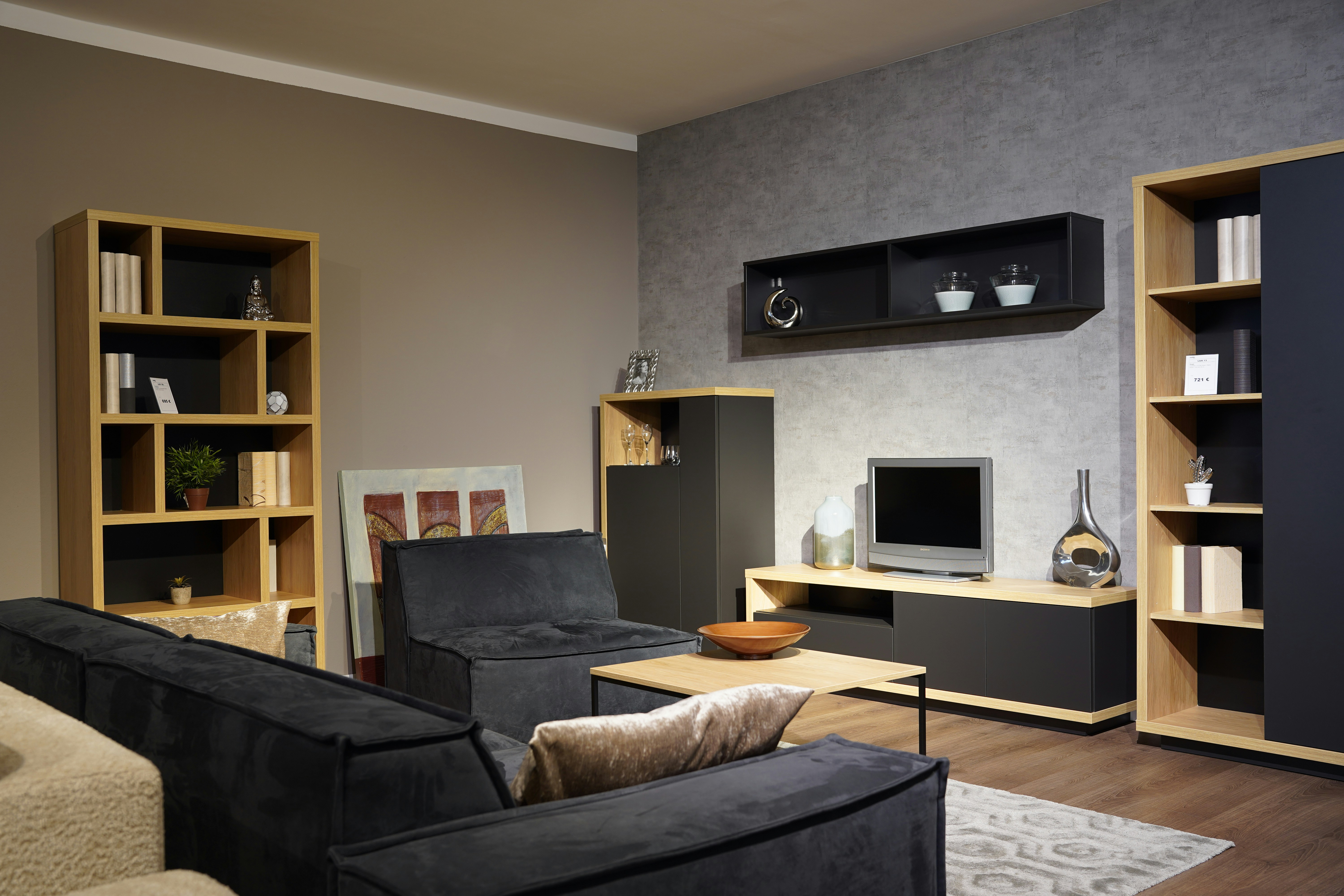
Before buying baskets, shelves, or a new sofa, take stock of what the living room actually needs to hold. Storage works best when it responds to daily routines, not an assumption that every possession must remain within reach. A brief audit can reveal which items deserve space here and which are creating avoidable clutter.
Sort belongings into four practical groups. Everyday essentials include items used regularly in the room, such as remote controls, reading glasses, current books, or children’s toys. Occasional-use items might include spare blankets, board games, or seasonal accessories; these may need storage nearby but not in the most accessible locations. Set aside belongings that belong elsewhere, including paperwork for a home office or dishes better kept in the kitchen. Finally, identify items to donate, recycle, or discard. Be realistic about whether you still use them and whether they justify the space they occupy.
Next, measure the room before choosing furniture or organizers. Record the dimensions of walls, alcoves, and the space beneath windows, as well as the height available above existing furniture. Look for overlooked vertical space, such as a bare wall that could accommodate shelves, and awkward areas, such as corners or narrow gaps beside a sofa. Note practical constraints too: doors, walkways, vents, and electrical outlets must remain accessible.
Observe where clutter gathers over a typical week. A pile of mail near the entrance, toys beside the sofa, or blankets left on a chair can point to a missing drop zone or an inconvenient storage location. Notice which objects are repeatedly carried into the room, where they are used, and where they naturally end up. These patterns offer more useful evidence than a quick visual estimate.
Use the audit to set priorities before shopping. Keep frequently used items easy to reach, place occasional belongings in less prominent storage, and avoid dedicating valuable room space to things that can live elsewhere. The goal is not to fit everything into the living room. It is to choose storage that supports real habits, preserves comfortable movement, and gives the items you genuinely need a sensible place.
Multifunctional furniture creates useful storage without taking up additional floor space, making it especially practical in a compact living room. Instead of adding separate cabinets or boxes, choose pieces that serve a regular purpose while keeping everyday items close at hand. The best options fit the room’s layout and make it simple to retrieve what they hold.
A lift-top or hinged storage ottoman can provide a place to rest your feet, an extra seat, and concealed space for blankets, games, or remote controls. Choose a model that opens smoothly and leaves enough clearance for its lid to lift without hitting a sofa or wall. If the ottoman will be used as a footrest, check that its height works comfortably with the seating.
Coffee tables can also offer more than a surface for drinks. Drawers keep small items out of sight, while open shelves provide accessible space for books, baskets, or magazines. Select a table that leaves enough room to walk around and reach the sofa. A design with storage is only useful if drawers can open fully and stored items are easy to remove.
For rooms that need additional seating, a bench with a hidden compartment can sit beneath a window or along a wall. It can hold cushions, toys, or other belongings while doubling as a perch. Sofas with under-seat storage offer another way to use otherwise overlooked space, particularly for seasonal textiles or occasional-use items. Check how the storage mechanism operates and whether the sofa remains comfortable for daily lounging.
Measure the room, doorways, and intended placement before buying. A piece should be proportionate to the seating area and leave clear pathways; oversized furniture can make a small room feel crowded, even when it includes storage. Also consider the item’s primary job: a coffee table should still be a practical height, and a bench should remain comfortable to sit on. A few carefully chosen dual-purpose pieces are generally more effective than filling the room with bulky furniture. Keep frequently used belongings in the easiest-to-reach compartments, and reserve less accessible storage for items used less often.
When floor space is limited, the walls can provide valuable storage without making a small living room harder to navigate. Vertical storage draws belongings upward, leaving walkways and seating areas open. A thoughtful mix of shelves, cabinets, and hooks can hold everyday essentials while contributing to the room’s design.
Floating shelves work well for books, framed photos, and a few decorative objects. Arrange them above a sofa or beside a window, taking care not to position them where people may bump their heads. For a larger book collection, consider a narrow bookcase with a small footprint. Tall, slim models use vertical space efficiently, while wall-mounted cabinets can conceal clutter such as game controllers, chargers, or paperwork. Choose cabinets with doors that open freely and do not obstruct nearby furniture.
Picture ledges offer a flexible way to display art and photographs. Because frames can be rearranged without making new holes, they are useful when tastes or seasonal displays change. Peg rails and individual hooks add convenient storage for headphones, bags, or a lightweight throw. Place these near the room’s entrance or beside a reading chair so frequently used items are easy to reach and put away.
Secure installation is essential, particularly for shelves holding books or other heavy objects. Locate wall studs where possible, and use anchors rated for the wall material and expected load when studs are not available. Follow the hardware manufacturer’s instructions, and avoid exceeding the recommended weight limit. Keep frequently used belongings at a comfortable height; reserve high shelves for lighter decorations or items needed only occasionally. This reduces the chance of awkward reaching and makes daily routines simpler.
To keep wall storage looking intentional, repeat a consistent finish, such as matching wood tones or a single cabinet color. Alternatively, limit the number of visible objects and leave space between groupings. A restrained arrangement helps shelves feel like part of the room rather than a crowded collection, allowing practical storage to support a calm, open atmosphere.
The space beneath sofas, armchairs, and consoles can provide useful storage without adding another piece of furniture. It is often overlooked because it is low, partially hidden, or difficult to reach, yet it can hold items that are needed only occasionally. Seasonal accessories, spare linens, board games, and extra cushion covers are good candidates. Keeping these belongings out of sight can reduce visible clutter while leaving frequently used items within easier reach.
Choose containers to suit both the available clearance and the objects being stored. Low-profile rolling bins are convenient beneath sofas or cabinets, especially when their wheels move smoothly across the floor. Labeled baskets make it easier to identify contents, while lidded containers can help protect fabrics and games from dust. Before buying anything, measure the height, width, and depth of the space, allowing enough room to pull each container out. Check the dimensions of furniture legs and crossbars, which may limit access even when the central area appears clear.
Floor coverings also affect how well under-furniture storage works. A bin that slides easily over hard flooring may catch on a thick rug or uneven edge, so test the route between the storage spot and the open floor. Select a container with a handle or grip that can be reached comfortably, and avoid overfilling it until it becomes difficult to move. If space is narrow, a few shallow containers may be more practical than one large, heavy box.
Small gaps behind consoles or between larger pieces of furniture can also hold slim baskets or discreet boxes, provided they do not obstruct vents, walkways, or access to cables. Measure these spaces before choosing storage, and consider how often you will need to retrieve the contents. Raising a sofa or chair solely to create extra room is not always a suitable solution: added height can change seat comfort, stability, and the visual proportions of a room. Under-furniture storage works best when containers fit the existing layout rather than requiring the furniture to be altered.
Small objects can create a surprising amount of visual clutter in a compact living room. A remote left on the sofa, charging cables on a side table, unopened mail, children’s toys, and other everyday odds and ends may each seem insignificant, but together they make surfaces feel crowded. Because there is little spare space to absorb the spillover, giving these items clear, convenient homes can make the entire room look calmer without adding bulky furniture.
Start by matching storage to the way you use the room. A shallow tray on a side table can corral remotes, glasses, and other items you reach for while relaxing, while divided baskets keep toys, craft supplies, or accessories from becoming a mixed pile. Drawer organizers are useful for separating smaller objects inside existing furniture. For items that do not need to stay visible, choose small lidded boxes that fit neatly on a shelf or inside a cabinet.
Group belongings by purpose so each container has a practical role: keep entertainment accessories together, collect mail and stationery in one place, and store toys near the area where they are used. If several concealed boxes look alike, simple labels can make it easier for everyone in the household to return things correctly. Keep the most frequently used objects within easy reach, and place occasional-use items in less accessible storage. A charging station with a tray or box can gather devices and cables in one designated spot, reducing loose cords across surfaces.
Storage works best when it supports a small daily habit rather than requiring a major cleanup. At the end of the day, take a few minutes to return remotes to their tray, put chargers at the station, sort mail into its designated place, and gather toys into their basket. This simple reset prevents small items from spreading across the room and makes the next day’s living space easier to use. When every object has an assigned home, tidying becomes faster and less dependent on finding extra storage.
Awkward corners and narrow gaps can provide useful storage, but only when furniture fits the room’s layout. A corner shelf makes use of vertical space for books, plants, or small baskets while keeping the floor relatively clear. Choose a shallow unit with rounded edges where people pass nearby, and secure tall shelves to the wall. In a tight corner, avoid bulky cabinets that project into the walking route. The goal is to gain accessible storage without creating a new obstacle or making the seating area feel crowded. Leave enough visual breathing room around the piece so the room remains open and comfortable.
Alcoves can accommodate fitted shelves or a narrow cabinet, turning an otherwise underused recess into storage for media, books, or everyday items. Slim rolling carts and narrow cabinets can work in gaps beside a sofa or between furniture, especially when they can be moved or opened easily. Before buying anything, measure the width, depth, and height of the space, including baseboards and any trim. Check how doors, drawers, and cabinet fronts will swing, and allow room to open them fully. Mark the proposed footprint on the floor with tape to see whether it narrows a walkway or interferes with chairs and other furniture.
A compact console behind a sofa may hold lamps, baskets, or remote controls, provided there is enough clearance for circulation and the sofa does not sit directly against a busy route. Compare the console’s depth with the available space, then leave a comfortable passage behind it. Choose storage that suits what you actually need to keep nearby; closed doors can reduce visual clutter, while open shelves make frequently used items easier to reach. An empty corner does not automatically need furniture. If adding a piece makes the room feel pinched, blocks light, or complicates movement, leave the space open instead. Functional storage should support daily use, not simply fill a gap.
Books, films, games, and hobby materials can quickly take over a small living room unless each collection has a defined place. Start by editing what you own: keep items that are used, enjoyed, or meaningful, and donate or recycle duplicates and things no longer needed. Group similar belongings together, such as novels, board games, craft tools, and electronic accessories. A clear inventory makes it easier to choose storage that fits the household’s routines rather than adding containers without a plan.
A low bookcase offers accessible storage for frequently read books, game boxes, and a few carefully chosen display objects. Its height preserves sightlines and can make the room feel more open than a tall, bulky unit. Reserve the easiest shelves for items people reach for often, placing less-used books or supplies higher or lower. For televisions, consoles, and other media equipment, a closed cabinet can conceal cords, discs, and controllers while keeping devices together. Choose a model with suitable ventilation and openings for cables, and avoid filling every surface with additional objects.
Use baskets to hold current projects, including knitting, drawing, puzzles, or paperwork that is actively in use. These containers make it simple to gather materials between sessions, and handles allow them to move wherever an activity takes place. Lidded boxes are better for supplies used less frequently, protecting them from dust and keeping small components contained; label each box so its contents remain easy to find. A balanced mix of open and closed storage supports both convenience and visual calm. Open shelves keep useful or attractive objects visible, while cabinets, baskets, and boxes conceal visual clutter. Review the arrangement periodically, returning items to their assigned places and adjusting shelf priorities as household habits change. The result is storage that supports everyday activities without allowing collections to dominate the living room.
Storage affects more than how many belongings a small living room can hold; it also shapes how spacious and restful the room feels. Bulky furniture, crowded shelves, and scattered containers create visual interruptions that can make limited floor area seem even smaller. A useful plan therefore prioritizes a calm appearance and clear movement through the room, rather than trying to fit a storage solution into every available corner.
Choose streamlined pieces with simple profiles and, where practical, raised legs that reveal more of the floor. This visible floor area helps furniture feel lighter and preserves a sense of openness. Limiting the room to a small palette of finishes can also reduce visual clutter: coordinating wood tones, upholstery, and storage fronts makes separate pieces feel more connected. Closed cabinets, drawers, or baskets are especially helpful for items with varied colors, packaging, or shapes. Concealing them creates a cleaner overall view without requiring you to own fewer useful things.
Open shelving can work well when it is treated as display space rather than a place to store everything. Leave some shelves partly empty, group related objects together, and vary their height thoughtfully. These pauses give the eye room to rest and keep collections from appearing crowded. By contrast, numerous small organizers may introduce more edges, colors, and compartments than the room needs. A single appropriately sized cabinet or a few well-chosen storage pieces often looks calmer than many little bins.
Keep walkways clear and leave tabletops relatively uncluttered; these choices can improve the room’s sense of space more than maximizing storage capacity. Avoid oversized cabinets that dominate a wall, and do not place tall furniture where it blocks windows or reduces natural light. Before adding a storage item, consider whether it preserves clear floor paths, supports everyday use, and maintains an open view. The best solution is not necessarily the one that holds the most, but the one that keeps belongings accessible while allowing the room to feel composed and easy to move through.
A storage plan works best when it becomes part of ordinary household habits, rather than a one-time organizing project. Give every item category a clear, convenient home: books on a shelf, remotes in a tray, blankets in a basket, and chargers in a designated drawer. Keep frequently used belongings within easy reach and place occasional items in less accessible storage. When people know where things belong, returning them after use takes little effort and prevents surfaces from becoming informal drop zones. Labels can help in shared households, while open containers make everyday items easy to see and retrieve.
Set aside a brief reset once a week to restore the room before clutter accumulates. Walk through the space with a small basket and return misplaced objects to their assigned homes. Clear coffee tables and side tables, fold throws, straighten cushions, and remove packaging or items that no longer belong in the living room. This routine need not become a deep clean; ten minutes may be enough when storage choices are straightforward. If an item repeatedly remains out of place, reconsider whether its designated home is convenient or whether the household needs a different arrangement. Involve other residents so upkeep is shared.
Review storage needs after seasonal changes or shifts in household routines. Adjust the arrangement. Before buying a new cabinet, ottoman, or set of bins, measure the available floor area, wall height, and access routes. Check door swings, drawer clearance, and whether the piece will block light or movement. Compare those dimensions with the product specifications, and consider what the new storage will hold. A thoughtful purchase fills a genuine gap rather than adding capacity that encourages keeping unnecessary things. The most successful small-room storage plan is easy to maintain, supports daily life, and leaves the room comfortable, not packed.